
Soil Nailing Services Across the UK
Soil Nail UK, a dedicated division of Piletec Geotechnical Ltd, was established to meet the growing demand for specialist soil nailing and crib wall remediation services throughout the United Kingdom. Our solutions are tailored for modern infrastructure projects where slope stability and ground reinforcement are critical to safety and long-term performance.
Soil Nailing Solutions for Stable Ground
Soil nails are structural elements used to reinforce and stabilise existing ground. They are typically made from steel bars, either solid or hollow, which are inserted into the soil through pre-drilled holes and then secured in place using cementitious grout. Once installed, these nails work in unison with the surrounding soil to form a composite mass that resists movement, deformation, and failure.
One widely used variant is the hollow bar soil nail, which allows grout to be injected through the centre of the bar during installation. This method is particularly effective in loose or collapsing soils, as it eliminates the need for casing and speeds up the drilling and grouting process. Hollow bars are fitted with sacrificial drill bits and installed using rotary percussion, making them ideal for challenging ground conditions and restricted access sites.
Unlike traditional retaining walls, soil nailing strengthens the ground from within, making it a highly effective solution for stabilising slopes, embankments, excavations, and retaining structures — especially in areas where space, access, or budget are limited.
Choosing the Right Type
The choice depends on:
- Soil type (cohesive, granular, collapsing)
- Project duration (temporary vs permanent)
- Environmental exposure (wet, corrosive, urban)
- Access and equipment availability
Types of Soil Nails
1. Solid Bar Nails
- Material: Typically high-strength steel bars (e.g. Grade 500 or 600)
- Diameter: Usually 25–40 mm
- Use: Most common type, used in general soil conditions
- Installation: Drilled and grouted in place
- Advantages: Simple, cost-effective, widely available
2. Hollow Bar Nails (Self-Drilling)
- Material: Hollow steel tubes with sacrificial drill bits
- Use: Ideal for loose or collapsing soils
- Installation: Drilled and grouted simultaneously through the hollow core
- Advantages: Faster installation, no need for casing, good for difficult ground
3. Epoxy-Coated or Galvanised Nails
- Material: Solid or hollow bars with corrosion protection
- Use: Long-term installations, aggressive environments
- Advantages: Extended lifespan, reduced maintenance
4. Fibreglass (GFRP) Nails
- Material: Glass fibre reinforced polymer
- Use: Temporary works or where steel interference must be avoided (e.g. near utilities)
- Advantages: Lightweight, non-corrosive, easy to cut
5. Threaded Bar Nails
- Material: Steel bars with continuous threads
- Use: Allows for tensioning or anchoring systems
- Advantages: Can be used with plates and nuts for active support
How Soil Nails Work
Soil nails work by reinforcing the ground from within, increasing its overall shear strength and reducing the risk of slope or wall failure. Rather than resisting loads externally like a traditional retaining wall, soil nails create a reinforced soil mass that behaves as a single, stable unit.
Mechanics of Soil Nailing
When installed correctly, soil nails:
- Resist Tensile Forces
As the ground begins to move or shift, the nails take on tensile loads, helping to hold the soil in place and prevent further displacement. - Anchor Unstable Layers
Nails penetrate through weaker, unstable soil layers and anchor into deeper, more competent ground, effectively tying the slope or wall back into stable strata. - Distribute Loads Evenly
Installed in a grid pattern, the nails work together to spread loads across a wide area, reducing stress concentrations and enhancing overall stability. - Engage Passively
Soil nails are typically passive systems, meaning they don’t carry load until the ground begins to move. This makes them ideal for stabilising marginally stable slopes or walls without introducing unnecessary stress.
The Role of Facing Systems in Soil Nailing
To complete a soil nailing system, a facing is applied to the surface of the stabilised area. This facing plays a crucial role in both the performance and appearance of the finished structure. It serves two primary functions:
1. Surface Protection
The facing prevents erosion, weathering, and surface slippage by shielding the exposed soil from environmental elements such as rain, wind, and freeze-thaw cycles. This is especially important in areas with high rainfall or where vegetation cannot be relied upon for long-term cover.
2. Load Transfer
The facing helps distribute surface loads evenly across the nail grid, ensuring that forces acting on the slope or wall are effectively transferred into the reinforced soil mass. This enhances the overall stability and performance of the system.
Common Facing Options
- Steel Mesh and Shotcrete
A robust and widely used solution, this involves applying a layer of sprayed concrete over steel mesh. It provides excellent structural support and is ideal for infrastructure and commercial projects where durability is key. - Gabion Baskets
These are wire mesh cages filled with stone, offering both strength and a natural appearance. Gabions are particularly suitable for rural or environmentally sensitive areas, and they allow for drainage while blending into the landscape. - Stone Panel Systems
At Soil Nail UK, we offer a bespoke stone panel facing system that combines structural integrity with architectural appeal. These panels are designed to integrate seamlessly with the soil nails, providing a clean, high-quality finish that mimics natural stone. They’re ideal for public-facing projects, residential developments, and locations where aesthetics are as important as performance.Additional Benefits of Facing Systems
- Customisable Appearance – Panels and finishes can be tailored to match surrounding materials or design requirements.
- Improved Drainage – Many systems incorporate drainage features to manage surface water and reduce hydrostatic pressure.
- Enhanced Safety – Prevents loose debris or soil from falling, protecting pedestrians, vehicles, and infrastructure below.
- Low Maintenance – Modern facing systems are designed for long-term durability with minimal upkeep.
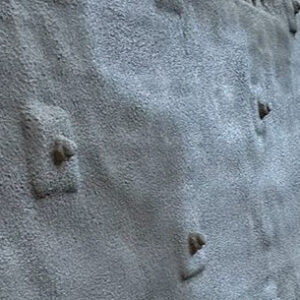
Shotcrete
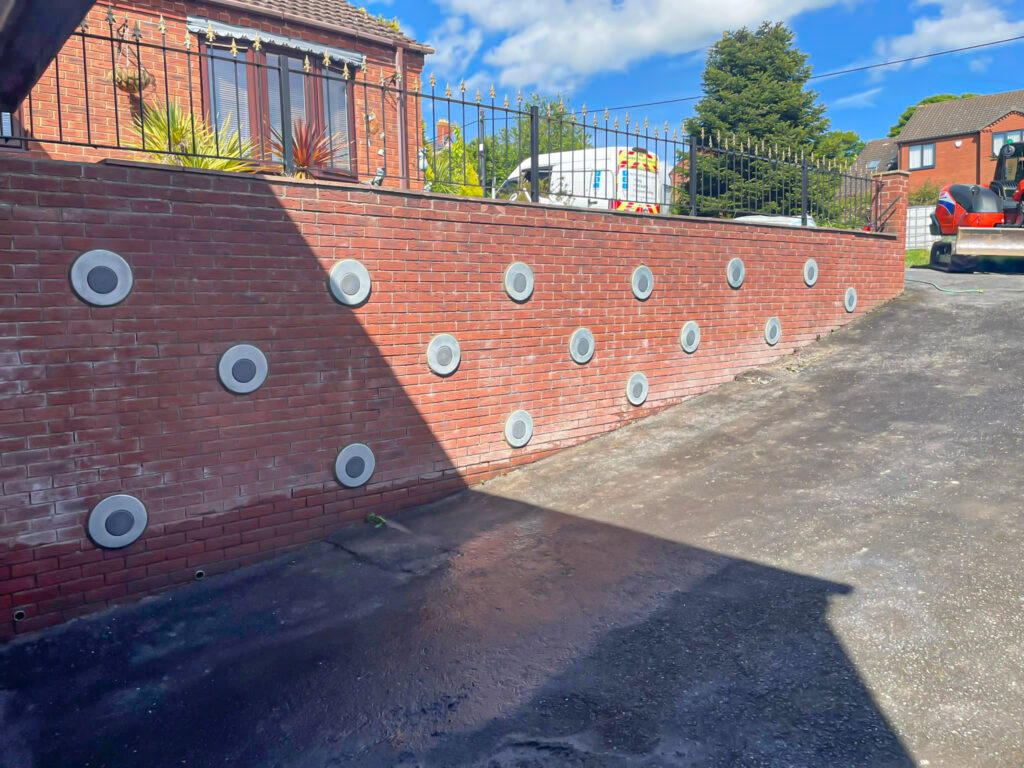
Recessed
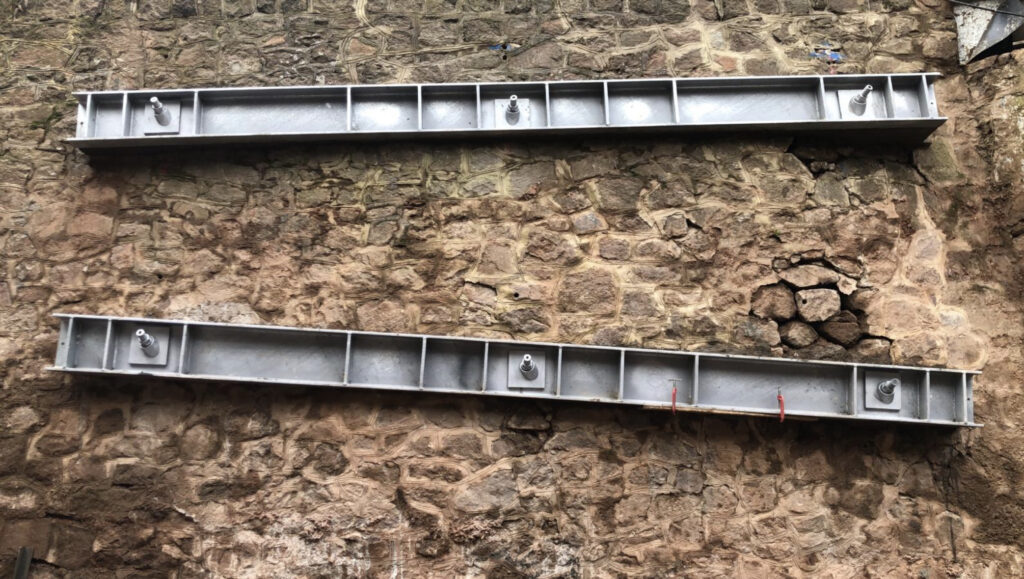
Recessed Waling
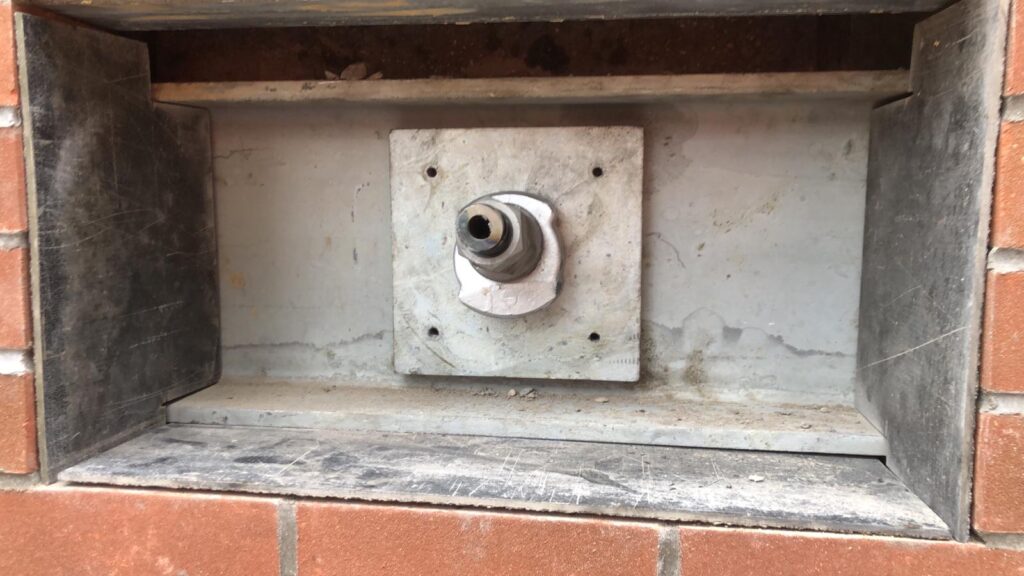
Double Plating

Surface Mount Waling
Recessed Patras plates

Considerations Before Soil Nailing
1. Ground Conditions
Understanding the subsurface environment is critical to the success of soil nailing. Key factors include:
- Soil Type: Cohesive soils (like clay) behave differently from granular soils (like sand or gravel), affecting nail spacing and depth.
- Moisture Content: High moisture can reduce soil strength and complicate drilling. Dewatering may be necessary.
- Stability: Pre-existing slope stability and potential for movement must be assessed to determine reinforcement needs.
2. Access & Site Constraints
Site logistics can significantly influence the feasibility and method of soil nailing:
- Limited Access: Urban or confined sites may require compact or modular drilling rigs.
- Obstructions: Overhead utilities, underground services, or nearby structures may restrict equipment movement.
- Alternative Techniques: Hollow bar nails or self-drilling anchors may be preferred in difficult-to-access areas.
3. Drainage Requirements
Effective water management is essential to maintain long-term slope integrity:
- Surface Drainage: Prevents water infiltration from rainfall or runoff.
- Subsurface Drainage: Includes weep holes or drainage blankets to relieve hydrostatic pressure.
- Monitoring: Long-term monitoring may be required in areas with fluctuating groundwater levels.
4. Design Life & Corrosion Protection
Durability of the system depends on environmental exposure and material selection:
- Corrosive Environments: Coastal areas or industrial sites may accelerate steel degradation.
- Protective Coatings: Galvanised, epoxy-coated, or stainless steel nails can extend service life.
- Encapsulation: Grouting or sheathing may be used to isolate nails from aggressive soils.
5. Aesthetic Requirements
Visual impact matters, especially in public or high-profile projects:
- Architectural Finishes: Options like stone cladding, textured shotcrete, or vegetated facades can enhance appearance.
- Custom Solutions: Bespoke systems, such as your stone panel system, offer tailored aesthetics without compromising structural integrity.
6. Environmental Impact
While generally low-impact, soil nailing must still comply with environmental regulations:
- Ecological Sensitivity: Work near protected habitats or watercourses may require special permits or mitigation measures.
- Noise & Vibration: Drilling operations should consider nearby residents or wildlife.
- Sustainability: Use of recycled materials or low-carbon techniques can improve environmental credentials.
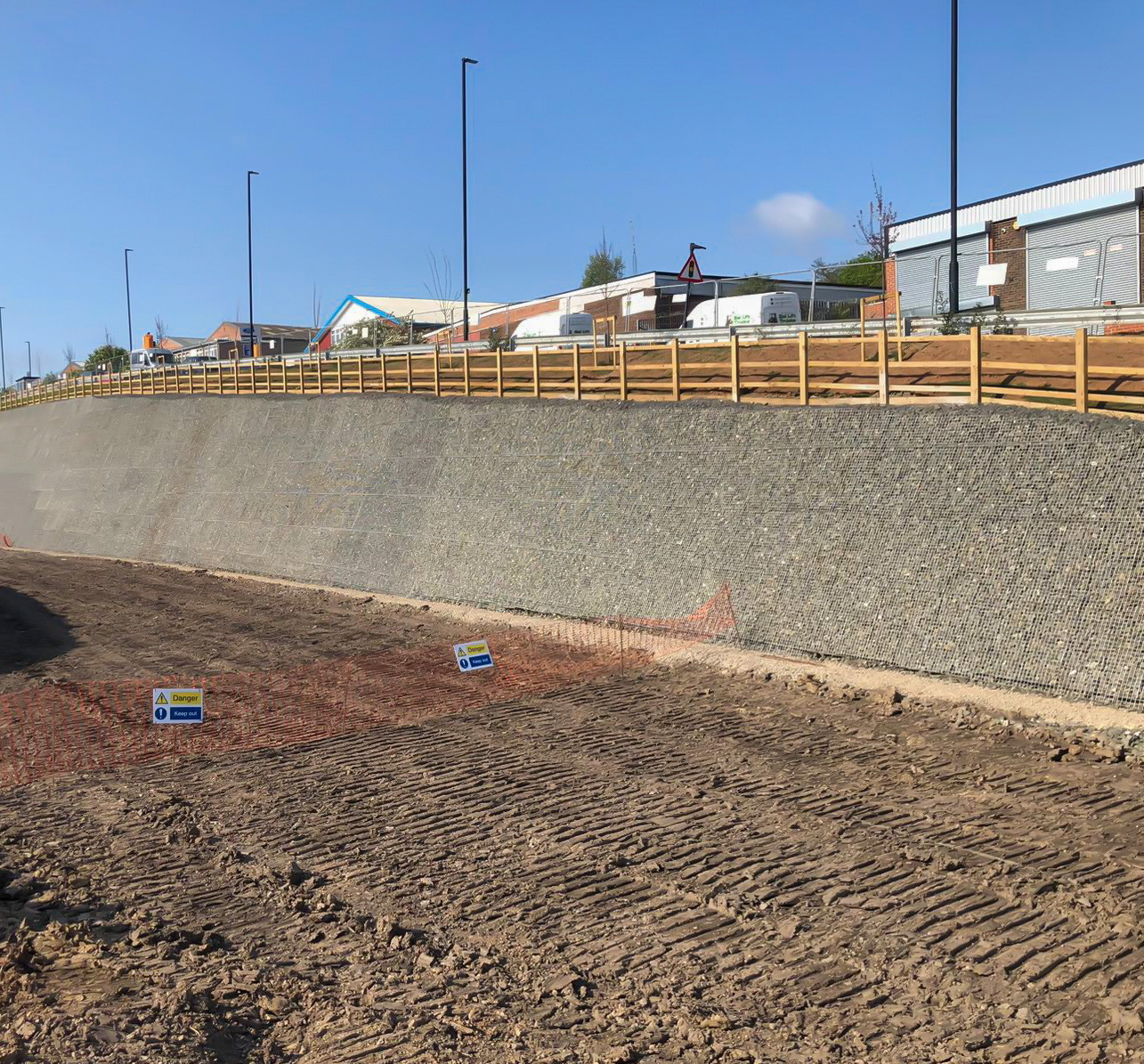
Woodside Avenue, Newcastle upon Tyne.
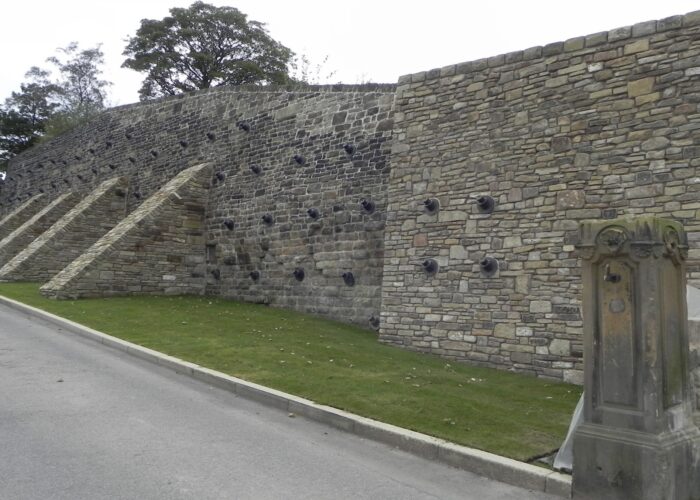
Manchester Road, Stockport.
Monarch Close, Rugby.

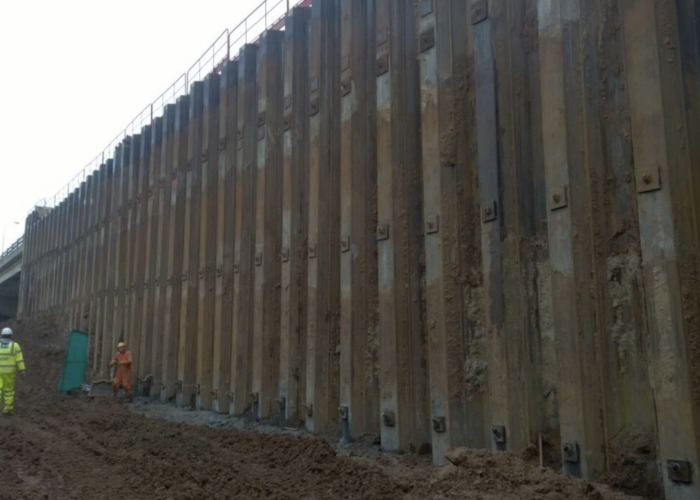
Whitley Junction, Coventry.
Permanent Slope & Retaining Stabilisation for Civil Infrastructure Projects
Piletec deliver soil nailing solutions across the UK for civil engineering and infrastructure projects requiring permanent ground stabilisation. Acting as a specialist subcontractor, we install soil nail systems strictly to engineer-issued specifications, supporting highways, rail corridors, embankments, cut slopes and retaining structures in complex ground conditions.
Our soil nailing works are designed to provide long-term structural stability, typically forming part of integrated geotechnical packages alongside shotcrete, ground anchors, grouting and crib wall remediation. We do not undertake landscaping or cosmetic works — our soil nailing services are delivered exclusively within engineering-led civil and infrastructure environments.
Typical Soil Nailing Applications
Our soil nailing services are commonly deployed on:
-
Highway embankments and cut slopes requiring stabilisation or remediation
-
Rail infrastructure, including slopes, cess areas and live-asset adjacent earthworks
-
Slope failure remediation following movement, slippage or erosion
-
Temporary or permanent excavation support where open excavation is restricted
-
Retaining wall stabilisation, often in conjunction with sprayed concrete (shotcrete) facings
-
Infrastructure upgrades where existing ground conditions must be retained and reinforced
This technique is particularly effective where traditional retaining systems are impractical due to restricted access, geometric constraints or the need to minimise excavation.
Why Civil Engineering Contractors Choose Piletec for Soil Nailing
Contractors specify Piletec as their soil nailing subcontractor because we operate as an engineering-led delivery partner, not a general contractor.
-
Installed strictly to engineer-issued design and specification
-
Focused exclusively on civil and infrastructure applications
-
Experienced in rail, highways and embankment environments
-
Fully HSQE compliant and principal-contractor ready
-
Integrated seamlessly with wider geotechnical packages
UK Coverage
Piletec deliver soil nailing solutions nationwide, supporting infrastructure projects across the North of England, Midlands and wider UK. Our work is often undertaken as part of larger civils programmes, where ground stability and long-term performance are critical.
Piletec deliver soil nailing solutions nationwide, supporting infrastructure projects across the North of England, Midlands and wider UK. Our work is often undertaken as part of larger civils programmes, where ground stability and long-term performance are critical.